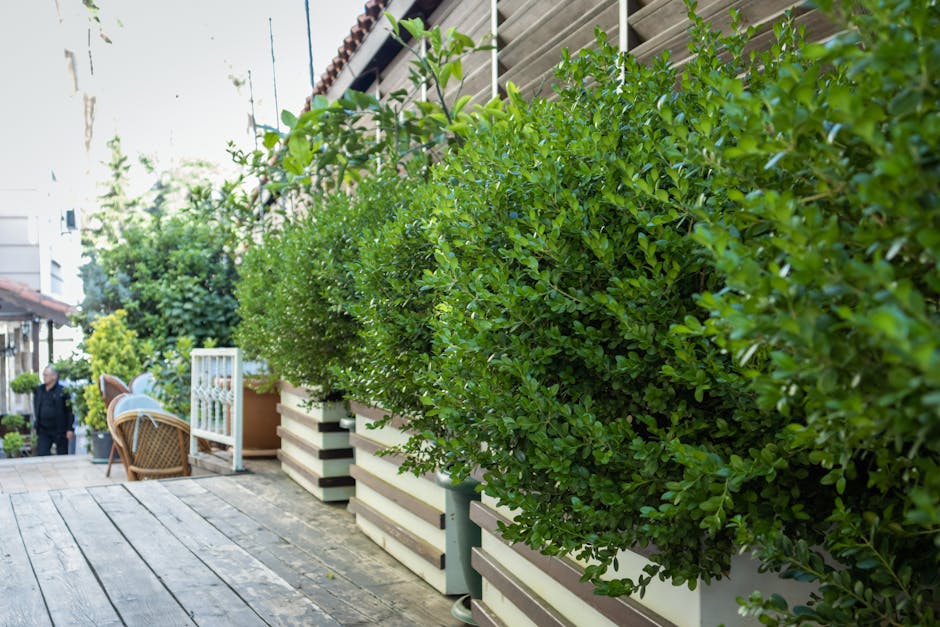
Best garden maintenance for Norwood High Street terraces
Terrace gardens on Norwood High Street can be brilliant little spaces, but they also ask for a bit more care than people expect. Narrow access, shade from neighbouring walls, patchy soil, wind tunnels between buildings, and the everyday wear of busy London living all add up. The best garden maintenance for Norwood High Street terraces is not about doing everything at once; it is about keeping the space healthy, neat, and workable all year round without turning it into a weekend chore you dread.
If your garden is a compact rear yard, a split-level terrace, or a small strip that catches sun in one corner and damp in another, the right routine makes a huge difference. You get more usable space, fewer overgrown corners, and a garden that feels like part of the home rather than an extra task. Truth be told, that is what most people want. Not perfection. Just a garden that does not fight back every time you open the back door.
This guide breaks down what maintenance works best for terrace gardens in Norwood, how to approach it properly, where people usually go wrong, and how to decide whether you need regular help or just a seasonal tidy-up. For a broader overview of what professional upkeep can include, you may also find the garden maintenance service useful, alongside the wider services overview.
Table of Contents
- Why best garden maintenance for Norwood High Street terraces matters
- How it works
- Key benefits and practical advantages
- Who this is for and when it makes sense
- Step-by-step guidance
- Expert tips for better results
- Common mistakes to avoid
- Tools, resources and recommendations
- Law, compliance, standards, or best practice
- Options, methods, or comparison table
- Case study or real-world example
- Practical checklist
- Conclusion
- Frequently asked questions
Why best garden maintenance for Norwood High Street terraces matters
Terrace gardens are often small, but they are rarely simple. In a dense stretch like Norwood High Street, gardens can be affected by shade, limited airflow, neighbour boundaries, and awkward access. That combination changes how plants grow and how often the space needs attention. A lawn may thin out faster. Hedges may lean toward the light. Potted plants dry out quickly on warm days, then sit soggy after a wet spell. London gardens do that thing where one week they look lush, then the next they look a bit sorry for themselves. Annoying, yes, but manageable.
The best maintenance approach protects the long-term health of the garden rather than just making it look tidy for a day or two. Regular cutting, pruning, sweeping, weeding, and checking planting beds keeps problems small. Let them build up, and suddenly you are dealing with compacted soil, invasive roots, blocked drainage, or a hedge that has become more of a wall than a boundary.
There is also a practical side. Terrace gardens often double as storage space, entertaining space, drying space, or a place to breathe for ten minutes after work. When the garden is overgrown, those uses disappear. When it is maintained properly, you feel the benefit every time you step outside. That may sound obvious, but it is exactly why people keep coming back to regular upkeep rather than one-off rescues.
For many homes in Norwood, the right maintenance plan is less about dramatic changes and more about consistency. A little attention each month usually beats one heroic clean-up in late summer. Every time.
How best garden maintenance for Norwood High Street terraces works
A good maintenance routine follows the garden's condition, not a rigid calendar copied from a suburban lawn handbook. Terrace gardens need a flexible plan because their needs shift with shade, sun, rainfall, and how the space is actually used.
Typically, the process starts with a quick assessment: what is growing well, what is struggling, what is blocking movement, and what is creating mess or risk. After that, the work is broken into manageable tasks such as mowing, edging, hedge trimming, deadheading, weeding, feeding, clearing leaves, checking drainage, and refreshing tired containers or borders. If there is a lot of debris or neglected growth, a one-off garden clearance can be the clean start you need before proper maintenance begins.
On terrace plots, access matters just as much as the plants. Tools often need to be moved through the house, noise should be kept sensible, and waste has to be managed neatly. The best results come from working methodically: clear first, cut second, shape third, then finish by tidying every edge. It sounds basic because it is basic. But basic done well is what makes a garden feel sorted.
If you have planting beds, a small lawn, raised planters, climbers, or a mix of hard landscaping and soft planting, each area needs its own rhythm. For example, climbers may need seasonal pruning and support checks, while lawns need more regular attention during growth periods. Hard surfaces such as paving or decking benefit from cleaning, sweeping, and moss control so the space does not become slippery underfoot. For those areas, the team may also look at decking services or broader landscaping where the layout needs improvement rather than only upkeep.
Key benefits and practical advantages
There is a reason regular maintenance is easier to justify once you have lived with a well-kept terrace garden. You notice the difference immediately.
- Better usable space: Clear paths, neat edges, and controlled planting make even a small garden feel larger.
- Healthier plants: Pruning, feeding, and the right watering pattern reduce stress and improve growth.
- Less weekend catch-up work: Small, frequent jobs prevent the usual spring-to-autumn backlog.
- Improved safety: Fewer slippery surfaces, fewer hidden trip hazards, and less clutter in narrow access areas.
- More privacy: Managed hedges and climbing plants can screen overlooking windows without becoming unruly.
- Better appearance year-round: A steady maintenance plan keeps the garden looking cared for, not just "sorted once."
There is another benefit people sometimes overlook: maintenance protects your choices. A terrace garden often contains planters, paving, timber features, shrubs, and small structural elements that cost more than they look. If you leave them unmanaged, those features wear out faster. Clean them, trim around them, and they last longer. Simple enough, really.
For households that want to improve the whole outdoor space, maintenance can also sit alongside redesign work. If a garden feels cramped or dated, a mix of upkeep and small layout changes through landscape gardening can make it work much better without starting from scratch.
Who this is for and when it makes sense
This type of maintenance is a strong fit for a few very common situations. You may recognise yourself in one of these:
- Busy homeowners who want the garden tidy but do not have time for regular upkeep.
- Landlords and property managers trying to keep a terrace garden presentable between tenancies.
- Older residents who can still enjoy the garden but would rather not manage heavy work or awkward pruning.
- New homeowners who have inherited a garden with mixed planting and no clear routine.
- Families who want a safer, lower-fuss outdoor space for children and everyday use.
It makes sense to book proper maintenance when the garden starts slipping into one of three patterns: growth is getting ahead of you, surfaces are starting to look untidy, or you are avoiding the garden because it feels like another job. That last one is usually the clue. If you keep closing the back door a little too quickly, something needs doing.
It is also the right call if you have specific plants that need correct pruning, not random chopping. Hedging, for example, is one of those jobs where a light, regular trim is nearly always better than waiting until the shape has gone completely. The hedge trimming service is particularly relevant in compact terrace settings where boundary plants can quickly dominate the space.
Step-by-step guidance
Here is the most practical way to handle maintenance for a terrace garden in Norwood High Street. Not fancy. Just effective.
- Start with a full visual check. Look at the whole garden from the back door outward. Note overgrowth, weeds, blocked areas, pests, dead material, and anything that feels off-balance.
- Clear the obvious clutter first. Remove broken pots, dead leaves, fallen branches, and any debris that makes the garden harder to work in.
- Tackle the structure. Cut back hedges, shrubs, and climbing plants before dealing with fine detail. Shape first, tidy second.
- Manage the ground layer. Weed borders, mow lawns if you have them, edge paths, and rake or sweep hard surfaces.
- Check the health of plants. Remove dead stems, deadhead flowering plants, and look for signs of stress such as yellowing, mildew, or dryness.
- Refresh the soil and feeding plan. Container gardens in particular need compost top-ups and seasonal feeding.
- Inspect drainage and water flow. Terrace gardens can hold water in odd places, especially where paving meets borders or walls.
- Finish with a proper tidy. Sweep paths, gather waste, and leave the space ready to use, not just "technically done."
If the garden has a lawn, small grass areas need their own routine. A light, regular cut is usually better than forcing the grass too low each time. For homes where the lawn is a major feature, lawn mowing is often the part of the plan that keeps everything else visually in line.
And if the garden has become heavily congested with old growth or neglected debris, do not pretend it can all be fixed in one tidy pass. Sometimes you need a reset. That is not failure. It is just honest gardening.
Expert tips for better results
After a while, a few patterns become clear. Terrace gardens respond well to maintenance that is regular, slightly conservative, and properly tailored to the space. Here are the things that make the biggest difference.
- Trim little and often. With small gardens, frequent light cuts usually look better than dramatic pruning.
- Keep the centre open. Avoid packing too many plants into the middle of the space; it makes the garden feel tighter and wetter.
- Use vertical space carefully. Trellis, climbers, and wall plants are useful, but they need training and checking so they do not become a mess.
- Choose low-fuss planting where possible. A mixed terrace garden is easier to manage when some beds are set up for year-round structure rather than constant replanting.
- Clean surfaces as part of maintenance. It is surprising how much better a terrace looks after paving and decking are swept properly.
- Watch watering habits. Overwatering is common in containers. Soil should be checked, not guessed at.
A simple but useful rule: if a task starts taking longer each month, the garden is telling you something. Maybe the planting is too dense. Maybe the schedule is too loose. Maybe the soil needs help. Gardeners who work in London terraces see that pattern all the time, especially in narrow plots where one neglected corner can quietly take over the whole thing.
To be fair, not every garden wants the same treatment. Some terraces look best with clipped structure and clean lines. Others suit softer planting and a more natural feel. A good maintenance plan respects the style of the home rather than flattening everything into the same neat box.
Common mistakes to avoid
Most terrace-garden problems come from a few repeat mistakes. The good news? They are easy to avoid once you know what they are.
- Waiting too long between visits. The gap is what causes the mess, not the work itself.
- Cutting everything too hard. Over-pruning can weaken shrubs and leave the garden looking bare for months.
- Ignoring drainage issues. Standing water in a small garden can damage roots and surfaces quickly.
- Using the wrong approach for hedges or climbers. Some plants recover slowly if hacked back at the wrong time.
- Letting weeds go to seed. That "I'll do it next week" moment often becomes a much bigger job.
- Forgetting the hard landscaping. Mossy paving and dirty decking can make the whole space look tired, even if the planting is fine.
One of the quieter mistakes is treating maintenance as separate from design. In small terraces, the way the garden is arranged affects how easy it is to look after. If the layout makes access awkward, maintenance becomes harder than it needs to be. That is where broader work can help, including landscaping when the structure needs to be improved rather than simply maintained.
And yes, the classic mistake is doing a big cut on a sunny afternoon, then realising the compost bags are full and the wheelie bin is already out. We have all been there, slightly grumpy, secateurs in hand.
Tools, resources and recommendations
You do not need a shed full of equipment to keep a terrace garden under control. In fact, too many tools can make the job more awkward. The point is to have the right basics and keep them in good condition.
| Tool or resource | Best use | Why it helps on terrace gardens |
|---|---|---|
| Hand shears and secateurs | Small pruning jobs, shaping, deadheading | Better control in tight spaces and around delicate planting |
| Lightweight mower or grass trimmer | Small lawns and awkward edges | More suitable for compact access and narrow pathways |
| Stiff broom or leaf rake | Clear paths, patios, and decking | Quick tidy-ups make a huge visual difference |
| Watering can or hose with control | Targeted watering for containers and beds | Stops waste and helps avoid soggy roots |
| Compost and mulch | Feeding, soil improvement, moisture retention | Useful where terrace soil dries out or gets tired quickly |
| Scheduled maintenance plan | Seasonal and monthly jobs | Keeps the work manageable and prevents build-up |
If the garden needs more than just maintenance, it can help to think in layers: tidy-up, ongoing care, then improvements. A mixed garden with sleepers, timber, or raised features may benefit from decking services or a more rounded landscape gardening plan so that the layout supports the care routine.
One practical recommendation: keep a simple note of what needs doing each month. Nothing glamorous. Just a list in your phone or a bit of paper on the fridge. It sounds almost too basic, but it works.
Law, compliance, standards, or best practice
For most terrace gardens, maintenance is mainly a matter of good practice rather than formal regulation. Even so, there are some sensible standards to follow, especially in residential areas with close neighbours and limited access.
Noise and timing: Try to keep louder work to reasonable hours and avoid unnecessary disruption. That is just good neighbour sense, and in tightly packed streets it matters more than people think.
Waste handling: Garden waste should be collected and disposed of responsibly. If a job produces a lot of green waste, it should be managed in a way that keeps paths, entrances, and communal spaces clean and safe. If sustainability is important to you, take a look at the approach described on the recycling and sustainability page.
Health and safety: Tools, ladders, pruning, and tree work all carry risks. A careful method matters more than speed. Safe access, correct cutting technique, gloves, and sensible lifting are all part of normal professional practice. For more context on how work is approached, the site's health and safety policy and insurance and safety information are useful references.
Protected or significant trees: If there are larger trees or substantial branches involved, extra caution is wise. Some tree work is best left to specialists rather than handled casually with a ladder and a lot of confidence. For those situations, tree lopping and removal is the relevant service to discuss.
In short, best practice means doing the job cleanly, safely, and with the garden's long-term condition in mind. Not just making it look presentable for half an hour.
Options, methods, or comparison table
Different terrace gardens need different levels of care. Some only need light monthly maintenance. Others need a more involved approach, especially after a period of neglect or if the planting is overly ambitious for the space. Here is a practical comparison.
| Approach | Best for | Pros | Limitations |
|---|---|---|---|
| Light regular maintenance | Well-kept terrace gardens with steady growth | Low disruption, tidy appearance, easier budgeting | Does not fix major layout or overgrowth issues |
| Seasonal maintenance visits | Gardens that need bigger spring and autumn attention | Good for clearing leaves, pruning, and resets | Less effective if the garden grows quickly between visits |
| One-off tidy-up or clearance | Neglected or overloaded gardens | Fast visual improvement, ideal before ongoing care begins | Problems return if no routine follows |
| Maintenance plus redesign | Terraces that feel cramped, awkward, or tired | Improves both appearance and practicality | Requires more planning and usually a bigger budget |
If you are unsure which route fits, start with the simplest question: does the garden need a tidy-up, a reset, or a rethink? That one question usually answers more than a long checklist does.
Case study or real-world example
A typical Norwood terrace might have a narrow rear garden with a small lawn, a couple of raised beds, some evergreen shrubs, and paving that has picked up moss in the shaded sections. The owners may use the space for morning coffee, a bit of family time, and drying washing when the weather behaves.
At first, the garden looks manageable. Then spring growth kicks in. The hedge starts leaning over the path. Weeds appear between the slabs. The lawn gets longer than planned because one wet week turns into another. By the time the owners notice, the space feels tighter and less welcoming.
A sensible maintenance visit would usually begin with clearing debris, cutting back the hedge, edging the lawn, weeding the borders, and cleaning the paving. After that, the planting might be reshaped so it is easier to maintain next time. If the beds are exhausted, fresh compost and mulch help them recover. If the garden has too much hard edge and not enough structure, a modest rework through landscaping may be recommended so the whole layout works better day to day.
The difference is not flashy. It is more noticeable than that. The garden suddenly becomes somewhere you want to step into with a mug in your hand rather than somewhere you glance at and think, not today. That matters.
Practical checklist
Use this checklist if you want to keep terrace garden upkeep simple and consistent.
- Check the garden weekly for weeds, fallen leaves, and blocked paths.
- Cut lawns or trim grass before it becomes shaggy.
- Shape hedges and shrubs before they lose their form.
- Deadhead flowers and remove dead stems.
- Keep paving, decking, and steps swept clean.
- Inspect planters for dry soil or waterlogging.
- Refresh mulch or compost when beds start looking tired.
- Remove waste promptly so clutter does not build up.
- Check for any branch or root issues that may need specialist help.
- Review the garden after heavy rain or windy weather.
And if you are not sure whether the garden needs a light touch or something more structured, it is usually safer to start with an honest assessment before letting it drift another month. A little care now saves a much larger headache later.
Get a free quote today and see how much you can save.
Conclusion
The best garden maintenance for Norwood High Street terraces is the kind that fits the space, respects the pace of London life, and keeps the garden looking cared for without becoming a burden. In compact terrace gardens, regular upkeep pays off quickly: cleaner lines, healthier plants, safer surfaces, and a space you are actually happy to use.
If your garden has started to feel hard work rather than low-key pleasure, that is usually the point where a proper maintenance plan makes the biggest difference. Start with the basics, keep the routine realistic, and do not let one untidy season snowball into a bigger job than it needs to be. Gardens recover well when you give them a bit of attention. They really do.
For homeowners who want support from people who understand compact outdoor spaces, it can help to explore the wider about us page and then choose the next step that suits your garden best. If you want to talk through the space directly, the contact us page is there when you are ready. Either way, a well-kept terrace makes daily life feel lighter, and that is no small thing.
Frequently Asked Questions
How often should a terrace garden in Norwood be maintained?
Most terrace gardens benefit from light attention every one to two weeks during growing season, with a deeper tidy-up monthly or seasonally. The exact timing depends on shade, planting density, and how much lawn or hedge growth you have.
What is included in regular garden maintenance for a small terrace?
It usually includes weeding, mowing or trimming, hedge cutting, pruning, deadheading, sweeping paths, checking drainage, and clearing garden waste. Some gardens also need feeding, mulching, and occasional hard-surface cleaning.
Do small terrace gardens really need professional maintenance?
Not always, but professional help makes sense when the space is awkward, overgrown, or time-consuming to keep in shape. It is also useful if you want reliable results without spending every weekend outside with secateurs.
What should I do first if my terrace garden is badly overgrown?
Start with clearance rather than fine detailing. Remove debris, cut back large growth safely, and assess what can be saved. Once the space is manageable again, ongoing maintenance is much easier to keep up.
Is hedge trimming important in terrace gardens?
Yes, especially where hedges or climbers are used for privacy. In narrow gardens, unmanaged growth can quickly block light, reduce usable space, and make the whole area feel smaller.
Can a terrace garden be low maintenance and still look good?
Absolutely. Good low-maintenance gardens use the right plant choices, sensible spacing, and a layout that is easy to access. Structure matters just as much as planting, maybe more in a small space.
What is the difference between garden maintenance and garden clearance?
Garden maintenance is regular upkeep that keeps a garden healthy and tidy. Garden clearance is a bigger reset, usually used when the space has become cluttered, neglected, or difficult to work in.
How do I keep paving and decking safe in a terrace garden?
Keep them swept, remove moss or slippery build-up, and stop leaves sitting on the surface for too long. In shaded gardens, these areas can become slick faster than people expect, especially after wet weather.
What are the biggest mistakes people make with terrace garden upkeep?
The main ones are leaving maintenance too long, cutting back too hard, ignoring drainage, and forgetting that hard surfaces need care too. Another common one is simply underestimating how quickly a small space can get messy.
How do I know whether my garden needs maintenance or landscaping?
If the garden is healthy but untidy, maintenance is probably enough. If the layout feels awkward, cramped, or difficult to look after, then landscaping may be the better long-term answer.
Are there any safety issues to think about with garden work?
Yes. Tools, uneven ground, ladders, heavy waste, and pruning all carry some risk. Safe access, careful lifting, and the right equipment matter, especially in small terrace spaces where movement is restricted.
What is the best next step if I want help with my Norwood terrace garden?
The most sensible next step is to identify whether you need routine care, a one-off clearance, or a larger improvement plan. Once you know that, it is much easier to decide what kind of help will actually be useful.