Gardeners for Norwood businesses office courtyards and flats
If you manage a business frontage, an office courtyard, or a flat's shared outdoor space in Norwood, you already know the problem: the garden has to look good, stay safe, and not become another thing everyone quietly ignores. That is exactly where Gardeners for Norwood businesses office courtyards and flats comes in. The right service keeps small spaces tidy, attractive, and workable without turning them into a full-time headache.
In practice, that might mean a clipped hedge that no longer blocks light, a courtyard lawn that doesn't look patchy by Thursday, or a communal entrance that feels calm rather than scruffy. You want something neat, reliable, and low-fuss. Fair enough.
This guide explains how professional garden care works for commercial and residential shared spaces in Norwood, what to expect from the service, which tasks matter most, and how to choose the right support for your site. It also covers common mistakes, practical checklists, and the kind of details that make the difference between a garden that merely exists and one that actually helps the place feel looked after.
Expert summary: For business courtyards and flats, good gardening is less about "doing everything" and more about keeping the space safe, presentable, and manageable all year round.
For a broader view of what a professional team can handle, it helps to start with the services overview. If you are comparing regular upkeep with a bigger refresh, the pages for garden maintenance and landscaping are also useful starting points.
Table of Contents
- Why it matters
- How the service works
- Key benefits
- Who needs this and when
- Step-by-step guidance
- Expert tips for better results
- Common mistakes to avoid
- Tools, resources and recommendations
- Law, compliance and best practice
- Options and comparison table
- Case study
- Practical checklist
- Conclusion
- Frequently asked questions
Why Gardeners for Norwood businesses office courtyards and flats Matters
Outdoor space in a built-up area pulls more weight than people often realise. A small courtyard can be the first thing a client sees when they arrive. A flat's communal garden can shape how residents feel about the whole building. Even a modest strip of planting near an office entrance can change the mood of the place on a grey Monday morning.
When shared spaces are poorly maintained, the issues tend to show up fast: weeds in paving cracks, overgrown shrubs hiding the entrance, slippery leaves, bins screened by untidy hedging, or grass that has gone from "natural" to "neglected" in a week. Let's face it, nobody wants a nice building undermined by a messy outside area.
Regular garden care matters for a few practical reasons:
- Presentation: tidy outdoor space makes a business or flat look cared for.
- Safety: clearer paths, reduced trip hazards, and better visibility around entrances.
- Access: residents, staff, visitors, and delivery drivers all move more easily.
- Plant health: consistent pruning, mowing, and maintenance prevent decline.
- Budget control: small regular jobs usually cost less than a dramatic catch-up clear-up.
There is also a subtle but real atmosphere benefit. A courtyard with trimmed borders, healthy planting, and clean edges feels ordered. That can matter in a business setting where people arrive stressed, or in a block of flats where residents simply want to come home and breathe for a minute.
If a site has become heavily overgrown or cluttered, a one-off reset may be the smartest first move. In that case, garden clearance can create a clean slate before maintenance begins.
How Gardeners for Norwood businesses office courtyards and flats Works
The service usually starts with a site view or discussion about what the space needs. A decent gardener will not just ask, "What do you want done?" They will look at how the area is used, how often it gets traffic, what grows well there, and what is getting in the way. That is the difference between a quick tidy and proper site care.
For offices, courtyards, and flats, the work often falls into a rhythm rather than a one-off visit. Typical tasks might include:
- lawn mowing and edging
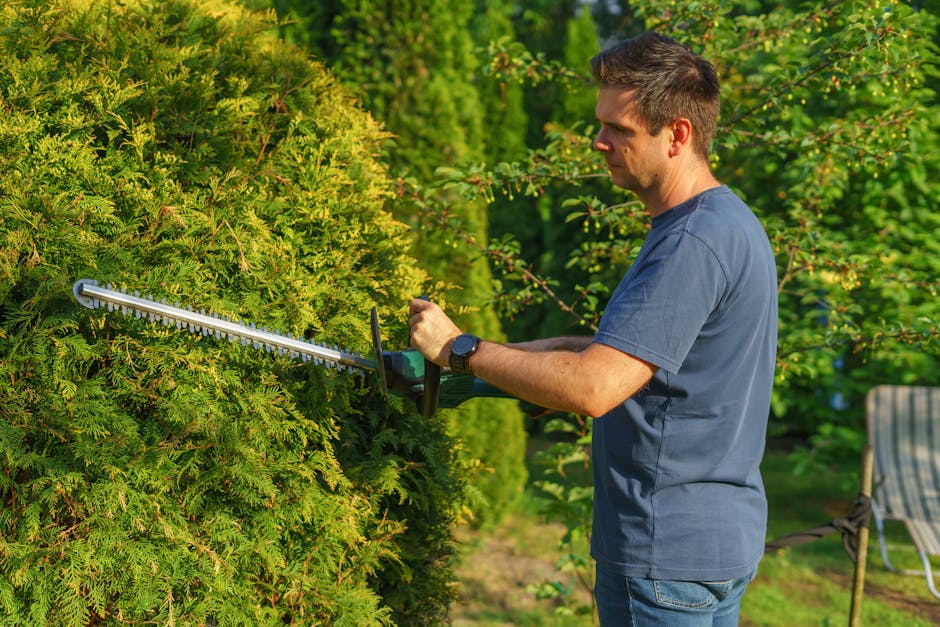
- hedge trimming and shrub shaping
- weeding beds and paved areas
- leaf clearance, especially in autumn
- deadheading and seasonal planting care
- green waste removal
- pruning and light tree work where appropriate
- surface-level tidy-ups around paths, bins, and seating areas
The exact package depends on the site. A business courtyard with hard landscaping may need weed control and container maintenance more than mowing. A block of flats with communal grass and borders may need regular mowing, hedge cutting, and seasonal cuts back. A mixed-use site may need a combination of all three. It sounds simple, but the details matter.
Good maintenance also respects the rhythm of the building itself. Early morning work may suit offices better, while flats might need quieter scheduling or slightly different access arrangements. In a busy shared property, logistics are often half the job.
For ongoing care, many sites pair general upkeep with specific tasks such as lawn mowing and hedge trimming. If the space is being redesigned or improved, landscape gardening can help reshape the layout rather than just maintain it.
Key Benefits and Practical Advantages
The biggest benefit is not just appearance. It is control. A well-managed outdoor area stops becoming a problem. That sounds obvious, but plenty of properties only notice the value when things have already started to slide.
A cleaner first impression
Clients, tenants, and visitors tend to read the outside of a property quickly. A neat courtyard suggests the rest of the building is handled with the same care. It does not need to be elaborate. Sometimes one strong visual change, such as a clipped hedge line or a weed-free entrance path, does most of the work.
Better use of compact space
Many Norwood courtyards are small and awkwardly shaped. The trick is to make them feel usable, not crowded. Smart pruning, simple planting choices, and clear pathways can make a tiny garden feel twice the size. Slightly dramatic? Maybe. But often true.
Less disruption for residents or staff
Regular care avoids the big messy jobs that everyone dreads. If plant growth is kept in check, there is less chance of roots, debris, or overhanging branches becoming a nuisance. In a flat, that matters because people do not want scaffolding-like hedge growth brushing windows or blocking bins. In an office, people want minimal disturbance and reliable timing.
Healthier planting over time
Plants do better when they are pruned at the right time and watered or fed sensibly. Overgrowth is not just untidy; it can also weaken shrubs and trees. A maintenance plan gives structure. Without one, a garden can drift into expensive correction work.
Better value than reactive fixes
To be fair, people often wait until things are visibly bad before calling for help. That is human. Yet a regular plan is usually the smarter route because it prevents big recoveries, emergency visits, and avoidable replacements.
| Approach | Best for | Pros | Watch-outs |
|---|---|---|---|
| Regular maintenance | Offices, flats, shared courtyards | Consistent appearance, lower disruption, easier budgeting | Needs an ongoing schedule |
| One-off clearance | Neglected or newly acquired spaces | Fast reset, immediate improvement | Does not prevent future overgrowth on its own |
| Landscaping upgrade | Problem layouts or dated outdoor areas | Improves use, flow, and look of the space | May need more planning and time |
Who This Is For and When It Makes Sense
This kind of service is for anyone responsible for an outdoor area that must stay presentable without constant attention. That includes property managers, landlords, business owners, facilities teams, housing associations, office managers, and residents' committees. The common thread is responsibility without extra time. Very normal, and very understandable.
It makes sense when:
- the garden is visible to the public or visitors
- multiple people rely on the same outdoor space
- the property needs regular, tidy upkeep rather than a full redesign
- residents or staff have raised concerns about mess, access, or appearance
- the site has seasonal issues such as leaf fall, fast-growing hedges, or summer weed growth
- you need a reliable routine instead of emergency calls
A small office courtyard, for example, may not need elaborate planting. It may simply need a clean, calm look with dependable maintenance. A block of flats might benefit more from routine grass cutting, shrub management, and border care so the communal area stays welcoming. Different spaces, different priorities. That's the point.
If your site has hard surfaces, raised planters, or a mix of decking and planting, it may need a slightly more tailored approach. In those cases, decking services can be relevant alongside planting and maintenance, especially where safety and finish both matter.
Step-by-Step Guidance
If you are planning support for a Norwood business courtyard or flat, the simplest way to approach it is to break it down into stages. Not glamorous, but effective.
1. Assess what the space actually needs
Walk the site and note what is genuinely causing problems. Is it grass? Borders? Hedges? Access? Drainage? A lot of outdoor spaces are "busy" rather than truly damaged. That distinction saves money and stress.
2. Decide what needs regular attention and what needs a one-off reset
Some spaces need an immediate clear-up before any routine care begins. Others just need a sensible schedule from day one. If the area is cluttered, a clear-out first can make the maintenance plan far more effective.
3. Agree priorities and frequency
For a business, entrance presentation may outrank planting detail. For flats, safe access and neat communal edges may matter more than ornamental features. Frequency should reflect use. Busy, visible spaces usually need more regular attention than tucked-away corners.
4. Build the work around the site
This is where experienced gardeners earn their keep. Good site care considers noise, access, residents, deliveries, and the practical reality of the building. Work should fit the property, not the other way around.
5. Review seasonally
Spring growth, summer watering needs, autumn leaf fall, winter pruning windows: each season changes the shape of the job. A plan that works in April may be the wrong plan by October. Gardens are annoyingly alive like that.
A useful habit is to check the space at least once a month, even if a contractor does the work. You do not need to become a gardener yourself. Just keep an eye on how fast things change.
Expert Tips for Better Results
Over time, a few habits make a visible difference. These are the kind of practical details that save hassle later.
- Keep paths and entrances clear first. People notice access before they notice flowers.
- Choose low-maintenance planting where possible. In shared spaces, simple is often better.
- Do not let hedges become a visibility issue. Once they start blocking light or sightlines, they are harder to manage.
- Use the right cut frequency for the site. Cutting too little can let things run wild; cutting too often can stress plants.
- Plan waste removal properly. Green waste left on site creates a second problem nobody wants.
- Match the work to the building's schedule. Quiet timing can reduce complaints in flats and disruption at offices.
A small but important point: tidy edges matter. A lawn that is mown but not edged can still look unfinished, almost as if someone gave up halfway through the job. It happens. Strong results usually come from the little finishing touches.
For sites where trees are becoming awkward or unsafe, a qualified approach is essential. Tree lopping and removal may be relevant, but only where it is appropriate and handled carefully. Not every branch needs drama. Some just need sensible management.
Common Mistakes to Avoid
Shared outdoor spaces go wrong in predictable ways. The good news is that most of them are avoidable.
Waiting too long between visits
Once a courtyard or communal garden starts to slide, recovery takes more effort. A missed visit is manageable. Five missed visits and suddenly everyone is asking who owns the jungle. Bit harsh, but there it is.
Choosing only on price
Cheap can be tempting, especially for property budgets. Yet low price on its own tells you very little about reliability, insurance, or the quality of the finish. A sensible quote should make sense, not just look small.
Ignoring access logistics
If gardeners cannot reach water, tools, waste storage, or key areas, the job slows down. For flats, access arrangements and resident communication can be the difference between smooth work and avoidable friction.
Overcomplicating the design
Small spaces often get overloaded with too many plant types, containers, and features. That can look lovely in a brochure and annoying in real life. Simpler layouts are easier to maintain and often look better longer.
Forgetting seasonal change
A courtyard that looks tidy in summer may be a leaf trap in autumn. Likewise, a planting scheme that thrives in mild weather may struggle in a shady, windier corner. Good upkeep plans respect the seasons rather than fight them.
Not clarifying responsibility
In flats especially, it helps to know who decides what, who approves the work, and who receives updates. Ambiguity creates delay. Delay creates overgrowth. Overgrowth creates emails. Nobody wants that chain reaction.
Tools, Resources and Recommendations
You do not need to become a garden equipment expert to manage a good site, but it helps to understand what a professional team is likely to use and why.
Common tools and kit
- Commercial mowers: suitable for grass areas that need a neat, even finish.
- Strimmers and edging tools: useful for borders, awkward corners, and clean lines.
- Hedge cutters: help keep hedges consistent and controlled.
- Pruning tools: used for shaping shrubs and removing dead growth.
- Waste sacks or containers: important for collecting and removing debris cleanly.
- Basic site protection gear: helps avoid damage to paving, walls, planting, and furniture.
Useful recommendations for busy sites
If your courtyard or flat is small, choose maintenance-friendly features. Raised beds with a manageable number of shrubs, robust planting, and easy-clean paving are usually easier to live with than delicate layouts that need constant tweaking.
If the site has a lot of rubbish accumulation, dry leaves, or leftover branch material, a reset may be needed before routine care can work properly. In that situation, garden clearance can remove the clutter and make the next stage far more effective.
For ongoing support, it is also worth looking at how maintenance is structured and what happens after the first tidy-up. A simple maintenance plan can make a huge difference over time, especially for sites with shared use and seasonal growth pressure.
Law, Compliance, Standards, or Best Practice
For commercial courtyards and shared residential spaces, compliance is mostly about sensible duty of care, access management, and safe working practices. You do not need to turn it into a legal thesis, but you do need to take it seriously.
In the UK, property managers and owners are generally expected to keep outdoor areas reasonably safe and maintained. That means watching for obvious hazards such as slippery surfaces, trip risks, poor visibility, unstable growth, or debris left in access routes. In flats, this can be especially important because residents, visitors, and contractors may all use the same space.
Best practice usually includes:
- clear communication before work starts
- safe access arrangements for staff and residents
- appropriate handling of tools and waste
- care around trees, climbing, cutting, and disposal
- keeping routes open where possible
- using suitably insured and safety-conscious contractors
If safety, insurance, and working method matter to you, it is worth reviewing the site's own standards and expectations. The pages on health and safety policy and insurance and safety are useful for understanding how a professional service approaches those responsibilities. For broader trust and business information, about us can also help.
Recycling is another practical standard rather than an optional extra. Green waste should be handled sensibly, and wherever possible, site upkeep should avoid unnecessary waste. The page on recycling and sustainability is a good reference point for that mindset.
Options, Methods, or Comparison Table
Not every Norwood property needs the same type of service. Some need constant light-touch care. Others need a more transformative approach. Here is a practical comparison.
| Method | What it includes | Best for | Typical outcome |
|---|---|---|---|
| Routine maintenance | Mowing, trimming, weeding, seasonal tidy-ups | Offices, flats, managed courtyards | Consistent, presentable, low-drama upkeep |
| One-off tidy-up | Clearing debris, cutting back growth, restoring order | Neglected or newly acquired spaces | Fast improvement, but not a long-term fix on its own |
| Landscaping project | Layout changes, planting, hard landscaping, feature updates | Spaces that feel awkward or outdated | Better use of space and stronger visual impact |
| Hybrid approach | Clearance plus regular upkeep after the reset | Most practical for shared sites | Best of both worlds, if planned well |
In most real-world cases, the hybrid approach is the sensible one. Clean the site, then keep it that way. That sounds too simple, perhaps, but simple is often what survives contact with busy buildings.
Case Study or Real-World Example
Here is a realistic example based on the kind of work these properties often need. A small office courtyard in Norwood had become a bit of a no-man's-land: a narrow strip of grass, one hedge that had outgrown its welcome, a few planters that looked tired, and a paved area where weeds had started to work their way through the joints.
The problem was not dramatic enough for a full redesign, but it was enough to bother staff and visitors. The courtyard was visible from the entrance, so every overgrown corner made the whole building feel more neglected than it actually was.
The sensible response was:
- clear the weeds and debris
- trim the hedge back to restore shape and light
- edge and mow the grass area
- refresh the planting in the containers
- set a simple maintenance pattern for the growing season
Nothing flashy. Yet the space became easier to walk through, easier to look at, and easier to manage. The biggest change was not even visual. It was the feeling that the courtyard was back under control. That matters in a working building. It matters in flats too.
For a similar reset, a team may begin with garden maintenance after a period of neglect or, if the area has become cluttered, with a combination of maintenance and clearance work.
Practical Checklist
Use this checklist before booking or reviewing garden care for your business courtyard or flat:
- Is the space visible to the public, residents, or clients?
- Are there any access or safety issues right now?
- Does the site need a one-off clearance before regular upkeep?
- Do you need mowing, hedge trimming, pruning, or all three?
- Are there seasonal problems such as leaf fall or rapid summer growth?
- Is waste removal included or arranged separately?
- Will the work times suit the building's routine?
- Is there a clear contact person for approvals and updates?
- Do you need a maintenance plan or a one-time visit?
- Have you checked the provider's approach to insurance and safety?
If the answer to several of those is "not sure," that is perfectly normal. Start with the essentials and build from there. A good service should make the process easier, not add noise to it.
Conclusion
Garden care for Norwood businesses, office courtyards, and flats is really about making shared outdoor space useful, safe, and pleasant to live or work around. The best results usually come from a straightforward plan: clear what needs clearing, maintain what needs maintaining, and keep the space aligned with how people actually use it.
That may mean regular mowing, hedge trimming, and general upkeep. It may mean a one-off reset first. It may mean a more considered landscaping update for a space that no longer fits the building. Whatever the mix, the aim is the same: less hassle, better appearance, and a place that feels properly looked after.
If you are weighing up the next step, start with a conversation about the site, its priorities, and the level of attention it really needs. Small spaces can have a big impact when they are handled well.
Get a free quote today and see how much you can save.
Sometimes the nicest thing about a well-kept courtyard is simply that nobody has to think about it very hard. It just feels right.
Frequently Asked Questions
What do gardeners for Norwood businesses office courtyards and flats usually handle?
They typically handle mowing, hedge trimming, weeding, pruning, leaf clearance, basic planting care, and general upkeep of shared outdoor areas. Some sites also need clearance work or more detailed landscaping support.
How often should a business courtyard be maintained?
It depends on how visible and heavily used the space is. Busy courtyards often benefit from regular visits through the growing season, while smaller or less visible spaces may need a lighter schedule.
Is garden maintenance for flats different from office gardens?
Yes, usually. Flats tend to need more attention to communal access, resident convenience, and shared responsibility, while office courtyards often focus more on presentation and minimal disruption to working hours.
Do I need a one-off clearance before booking ongoing maintenance?
If the area is overgrown, cluttered, or has been left for a long time, a clearance first is usually the most practical approach. It gives the maintenance work a proper base to start from.
What services are most useful for small courtyards?
Small courtyards often benefit most from hedge trimming, weed control, pruning, edging, and tidy planting. A compact space can look much better with simple, regular care.
Can gardeners work around residents or office hours?
Usually, yes. Good planning should take account of building schedules, access, and quiet times. That is especially important in flats and occupied offices where disruption matters.
How do I know whether I need landscaping or just maintenance?
If the space already works but looks untidy, maintenance may be enough. If the layout feels awkward, dated, or difficult to use, landscaping may be the better option.
What should I ask before hiring a gardener for a shared property?
Ask about the scope of work, visit frequency, waste removal, insurance, safety practices, and how they handle access or resident communication. Those practical details matter more than fancy promises.
Are hedge trimming and tree work part of regular courtyard care?
Often hedge trimming is part of routine care, but tree work depends on the site and what is safe or appropriate. Larger or more complex tree issues may need a specific tree service approach.
How can I keep costs under control?
Choose a regular schedule, keep the layout manageable, and avoid letting the garden become severely overgrown. Preventive care is usually easier on the budget than major catch-up work.
What if the courtyard includes decking or hard landscaping?
Then the service may need to cover both soft landscaping and surface care. In some cases, decking services and broader maintenance can work together to keep the whole area looking consistent.
Who should I contact if I want to discuss a site in more detail?
If you are ready to talk through the details, use the contact us page to start the conversation. It is usually the easiest way to explain the site and request a quote.